Phosphatidylserine: A Brain-Membrane Nutrient Studied in Seniors
Phosphatidylserine is one of the few Neuro Sharp ingredients studied specifically in older adults with memory complaints. Here’s what it is, what the research and the FDA say, and why the type used in supplements has changed.*
Check Today’s Price →Independent site · We may earn a commission from links. Disclosure
| Abbreviation | PS |
|---|---|
| Type | Phospholipid (fat-based molecule) |
| Common sources | Soy or sunflower lecithin today; cow brain in early studies |
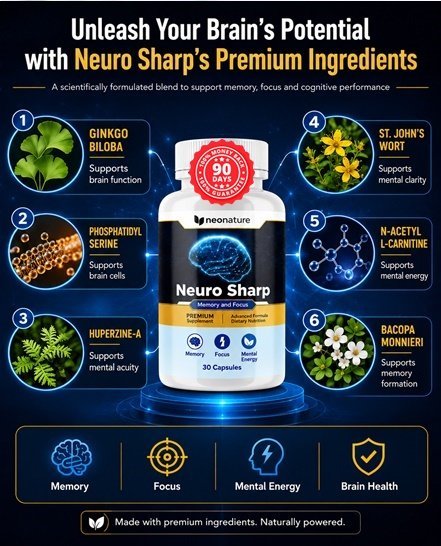
| Role in Neuro Sharp | Brain cell membranes* |
| Studied amount | Commonly 300 mg/day (100 mg three times daily) |
| Main side effects | Insomnia or stomach upset at higher doses |
| Medicine check? | Rarely; mention it to your pharmacist |
What It Is
Phosphatidylserine is a phospholipid — one of the building blocks of cell membranes — and it’s especially concentrated in the brain. Nerve-cell membranes are where signals are sent and received. Your body makes it, and small amounts come from fish, organ meats and soy.
How It May Work
Supplying phosphatidylserine may support healthy, flexible nerve-cell membranes and the release of chemical messengers, including acetylcholine. Most of this comes from laboratory and animal work.*
What Studies Show
From the 1980s, trials in older adults with age-related memory complaints — many using phosphatidylserine made from cow brain — reported improvements in memory. Concerns about animal-brain products led manufacturers to switch to soy and sunflower sources, and studies of these newer forms have been more mixed.
In 2003 the FDA allowed a “qualified health claim” for phosphatidylserine. The required wording says very limited and preliminary research suggests it may reduce the risk of cognitive dysfunction in the elderly, and that the FDA concludes there is little scientific evidence supporting the claim.
What It Means After 50
It’s one of the gentler ingredients in Neuro Sharp and one of the few studied in seniors. Expectations should be modest, especially for today’s plant-based forms.*
Studied Amounts
Most studies used 300 mg a day, often as 100 mg three times daily.
Side Effects
Usually well tolerated. Higher doses can cause insomnia or stomach upset; taking it with breakfast helps on both counts and may aid absorption.
Cautions
- If you have a soy allergy, check the label for the source.
- It may add to the effects of medicines that act on acetylcholine — mention it to your pharmacist.
Its Role in Neuro Sharp
Phosphatidylserine supports the structure where signals pass, complementing Ginkgo (circulation) and the acetylcholine ingredients (the signals themselves).
Bottom Line
A well-tolerated nutrient with a long research history in older adults, but evidence the FDA itself calls very limited. A useful supporting ingredient rather than the star.*
Food Sources
Small amounts of phosphatidylserine come from fish such as mackerel and herring, organ meats and white beans. Food amounts are much lower than those used in studies, but a varied diet supports overall brain health.
Questions for Your Doctor
- Is my product’s phosphatidylserine soy-based, and does that matter for me?
- Could it affect any of my medicines that act on acetylcholine?
Sources
Frequently Asked Questions
What does phosphatidylserine do?
It’s a natural part of brain cell membranes and has been studied for age-related memory complaints.
Is phosphatidylserine safe for seniors?
It’s usually well tolerated; higher doses can cause insomnia or stomach upset.
Is phosphatidylserine from soy?
Modern supplements usually come from soy or sunflower lecithin. Check the label if you have a soy allergy.
What dose was studied?
Commonly 300 mg a day.
*These statements have not been evaluated by the Food and Drug Administration. Neuro Sharp is not intended to diagnose, treat, cure or prevent any disease. Individual results vary. This page is for information only and is not medical advice.