Ginkgo Biloba: Well Known, Widely Studied — and Often Misunderstood
Ginkgo is one of the best-known supplements among older adults. It’s also one of the most thoroughly tested — and the results are a useful reality check. Here’s what Ginkgo can and can’t do, and why it matters if you take a blood thinner.*
Check Today’s Price →Independent site · We may earn a commission from links. Disclosure
| Source | Leaves of the ginkgo tree |
|---|---|
| Role in Neuro Sharp | Circulation support* |
| Studied amount | 120–240 mg/day of standardized leaf extract |
| Dementia prevention | Not supported by large trials |
| Main side effects | Dizziness, stomach upset, headache |
| Medicine check? | Yes — blood thinners, aspirin, NSAIDs |
What It Is
The ginkgo tree is one of the oldest living tree species. Supplements use a standardized extract of its fan-shaped leaves. That’s very different from ginkgo seeds: the NIH’s National Center for Complementary and Integrative Health (NCCIH) warns that fresh seeds are toxic when eaten.
How It May Work
Ginkgo is traditionally used to support circulation, including in small blood vessels, and its compounds act as antioxidants in lab studies. It also affects how blood platelets stick together — the reason for its bleeding caution.*
The Ginkgo Evaluation of Memory Study
The most important study for anyone over 50 is the NIH-funded Ginkgo Evaluation of Memory (GEM) study. It followed more than 3,000 adults aged 75 or older, with normal thinking or mild cognitive impairment, for a median of six years. According to NCCIH, there was no difference in rates of dementia or Alzheimer’s disease between the ginkgo and placebo groups. Two other large studies also found no prevention benefit. For people who already have dementia, NCCIH says ginkgo may help modestly, but the evidence is inconsistent.
What It Means After 50
Ginkgo is a supporting ingredient in Neuro Sharp, not the main reason to take it. Its biggest relevance with age is safety: many older adults take daily aspirin or a prescription blood thinner, and Ginkgo may add to bleeding risk.
Studied Amounts
Most trials used 120–240 mg a day of standardized extract; the GEM study used 120 mg twice daily.
Side Effects
NCCIH describes leaf extract as generally well tolerated; the most common side effects are dizziness, digestive symptoms and headache.
Bleeding Risk and Interactions
- Blood thinners: NCCIH says ginkgo may increase bleeding risk in people taking anticoagulants such as warfarin. Ask about clopidogrel, daily aspirin and regular ibuprofen or naproxen too.
- Surgery and dental work: tell your care team; many advise stopping about two weeks before.
- Other supplements: avoid stacking with extra ginkgo, high-dose fish oil, vitamin E or garlic pills without advice.
- Pregnancy: NCCIH says it may be unsafe.
Its Role in Neuro Sharp
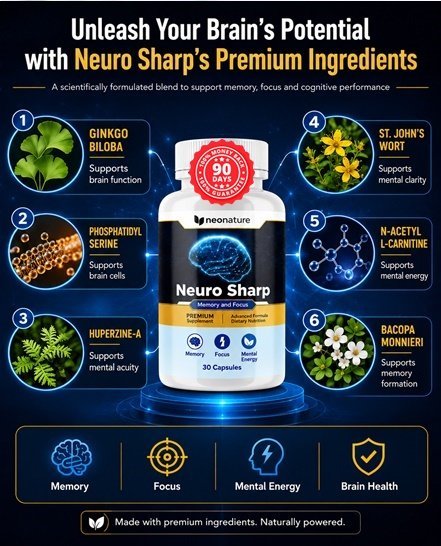
Ginkgo forms the circulation side of the formula with Phosphatidylserine. If you’re on a blood thinner, this ingredient alone is a good reason to talk to your doctor before trying Neuro Sharp.
Bottom Line
Ginkgo is well studied, generally well tolerated, and disappointing for dementia prevention. In Neuro Sharp it plays a minor role — and a major one in your medicine check.*
Sources
Frequently Asked Questions
Does ginkgo improve memory in older adults?
Large trials found it did not prevent dementia; evidence for other memory benefits is mixed.
Can I take ginkgo with aspirin or warfarin?
Ask your doctor first; ginkgo may increase bleeding risk.
What dose of ginkgo was studied?
120–240 mg a day of standardized extract.
Should I stop ginkgo before surgery?
Tell your surgeon; many advise stopping about two weeks before.
*These statements have not been evaluated by the Food and Drug Administration. Neuro Sharp is not intended to diagnose, treat, cure or prevent any disease. Individual results vary. This page is for information only and is not medical advice.