N-Acetyl L-Carnitine: Neuro Sharp’s Energy Ingredient
N-Acetyl L-Carnitine (acetyl-L-carnitine, or ALCAR) is the ingredient behind Neuro Sharp’s “steady energy without caffeine” idea. It has been studied in older adults with memory problems — with mixed results.*
Check Today’s Price →Independent site · We may earn a commission from links. Disclosure
| Also called | Acetyl-L-carnitine, ALCAR |
|---|---|
| Role in Neuro Sharp | Mental energy* |
| Studied amount | 1.5–3 grams/day |
| Evidence | Mixed; NIH calls effects on cognition unclear |
| Main side effects | Nausea, cramps, diarrhea, fishy odor at ~3 g/day |
| Medicine check? | Yes if you have epilepsy or kidney disease |
What It Is
Carnitine is a nutrient your body makes and also gets from red meat and dairy. It ferries fatty acids into mitochondria, where they’re burned for energy. The acetylated form is thought to enter the brain more easily, and its acetyl group can be used to make acetylcholine.
What Studies Show
The NIH Office of Dietary Supplements (ODS) reviews this research. A 2003 meta-analysis found people taking acetyl-L-carnitine were more often rated as improved by clinicians; a 2003 Cochrane review found benefits only at some time points and concluded routine use to treat dementia symptoms wasn’t justified. ODS says the effects remain unclear. Most participants had mild cognitive impairment or Alzheimer’s disease.
What It Means After 50
The idea — supporting energy production in an ageing brain without a stimulant — is appealing, especially for people avoiding caffeine. But the evidence is uncertain and the studied doses were large.*
Studied Amounts
According to ODS, cognition trials used about 1.5–3 grams a day for 3 to 52 weeks — more than an eight-ingredient capsule is likely to contain.
Side Effects
ODS notes that about 3 grams a day can cause nausea, vomiting, abdominal cramps, diarrhea and a “fishy” body odor. Lower amounts are less likely to.
Cautions
- Seizure disorders: ODS reports seizures in people with seizure disorders taking carnitine; anti-seizure medicines such as valproic acid, phenobarbital, phenytoin and carbamazepine also lower carnitine levels. Ask your neurologist.
- Kidney disease: ODS warns of muscle weakness in people with uremia; ask first.
- ODS advises anyone on regular medicines to discuss carnitine with their provider.
Its Role in Neuro Sharp
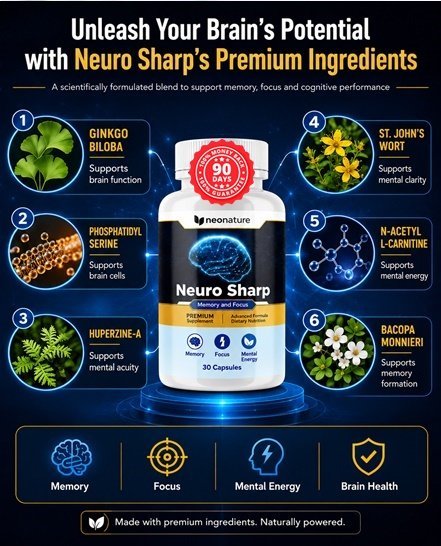
It provides the formula’s cellular-energy pathway and links to the acetylcholine ingredients — Alpha-GPC, Huperzine-A and Bacopa.
Bottom Line
A sensible idea with unclear evidence and gram-level study doses. Treat it as a supporting ingredient.*
Carnitine From Food
Most people make enough carnitine and also get it from red meat, fish, poultry and milk; deficiency is uncommon in healthy adults. Vegetarians get less from food but their bodies make it too. A supplement is not a substitute for a balanced diet.
Questions for Your Doctor
- Do I have any kidney problems that make carnitine a concern?
- Could it affect my seizure medicine?
If your label shows only a small amount, remember that the NIH describes even the gram-level study results as unclear. That doesn’t make the ingredient harmful, but it does mean expectations should stay modest.
Sources
Frequently Asked Questions
What is N-Acetyl L-Carnitine?
A form of carnitine that helps cells use fat for energy and is thought to reach the brain more easily.
Does it help memory in older adults?
Research is mixed; the NIH says effects remain unclear.
What dose was studied?
About 1.5–3 grams a day.
Who should avoid it?
Ask first if you have epilepsy or kidney disease.
*These statements have not been evaluated by the Food and Drug Administration. Neuro Sharp is not intended to diagnose, treat, cure or prevent any disease. Individual results vary. This page is for information only and is not medical advice.